Ant control in San Mateo, CA
Ants on the counter or sink again? A pest professional can help find where ants get into your San Mateo home and where the colony lives.
Placeholder number. Calls are not active.
Why ants come inside
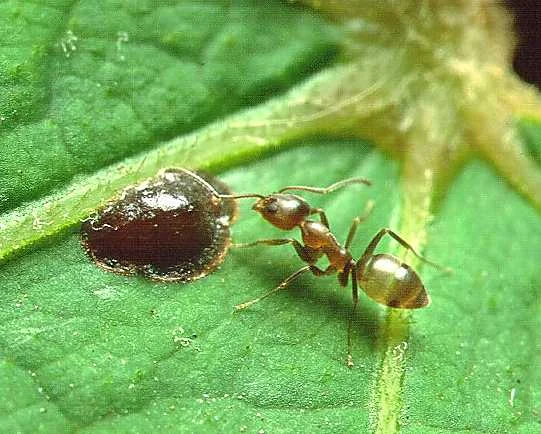
UC IPM says the Argentine ant is the most common ant in and around California homes and gardens. It is small, about an eighth of an inch long, and dull brown. Most ants live outdoors. They come inside looking for food and water, and they may show up suddenly when the weather turns hot, dry or wet.
Ants do some good outside. They eat fleas, termites and other pests in the garden. So the goal is not to wipe out every ant in the yard. It is to keep them out of the kitchen and stop the trail at its source.
Signs of ants
- Lines of small ants on counters, sinks, windowsills or baseboards.
- Ants gathered on sweets, grease, crumbs or pet food.
- Ants under a sink or near a leaky faucet, since water draws them in.
- Ants coming out of a potted plant or a crack in the floor.
- Winged ants indoors. These can look like termites. Ants have a thin waist and bent antennae.
- Debris that looks like sawdust near wood, which can point to carpenter ants.
What to talk through about ants
When you speak with a pest professional about ants, expect questions and a plan that covers these points.
- Which ant it is. Food and nest habits differ by species.
- Where the trail starts and where ants enter the building.
- Nest sites outside, often in soil by the foundation or under stones and boards.
- Plants near the house with aphids or ripe fruit that feed ants.
- Bait choices. UC IPM suggests asking for baits and spot treatments instead of perimeter treatments or monthly sprays.
- How long it may take. UC IPM says it can take 5 to 10 days to see fewer ants after baiting starts.
Ways to keep ants out
These steps come from UC IPM guidance for homes.
- Wipe up ant trails with soapy water. This removes the scent trail other ants follow.
- Find where ants are getting in and seal the gap with caulk.
- Store food in clean, sealed containers instead of bags or open boxes.
- Clean up crumbs, grease and spills, and take out the trash often.
- Fix leaky faucets.
- Keep plants, grass and mulch at least a foot away from the foundation.
UC IPM notes that spraying ants indoors will not stop more ants from coming in.
Questions about ant control
Why do ants keep coming back after I spray?
A spray kills the ants you can see, not the colony. UC IPM says sprays give only short term control. Baits work differently. Worker ants carry the bait back to the nest, where it can reach the whole colony.
Are these ants or termites?
Winged ants and winged termites can look alike. Ants have a pinched waist, bent antennae and back wings that are smaller than the front wings. If you are not sure, take a photo and describe it on the call.
Why did ants show up all at once?
Ants often move indoors when the weather changes or their food outside runs low. UC IPM lists hot, dry weather and flooding among the reasons.
Can I ask for baits instead of sprays?
Yes. You can ask any provider what products they plan to use and where. UC IPM suggests baits and spot treatments over monthly sprays.
Call for help with ant control
Have your notes and a photo ready, then call.
Placeholder number. Calls are not active.
Seeing roaches in the kitchen too? Read about cockroach control.
Back to pest control in San Mateo, CA
Pest guidance on this page is based on UC Statewide IPM Program: Ants. Those statements belong to that source.